thin.ly Blog
Branded vs. Generic Short Links: When Each One Makes Sense
A branded short domain isn't just vanity — it changes click-through rates, deliverability, and brand defensibility. But it has real costs too. Here's how to decide between a generic shortener and a branded domain, and what to do if you can't afford the branded option yet.

Every URL shortener gives you the choice: use the service’s default
domain (thin.ly/abc1234) or pay a bit more to use your own
(acme.link/launch). Most marketing teams assume the branded option
is better and reach for it without thinking through the trade-offs.
Some teams assume it’s vanity and skip it. Both reflexes leave money
on the table.
This article is a decision framework: when a branded short domain genuinely matters, when it’s overkill, and the in-between options worth considering.
What a branded short domain actually buys you
Four things, in roughly descending importance:
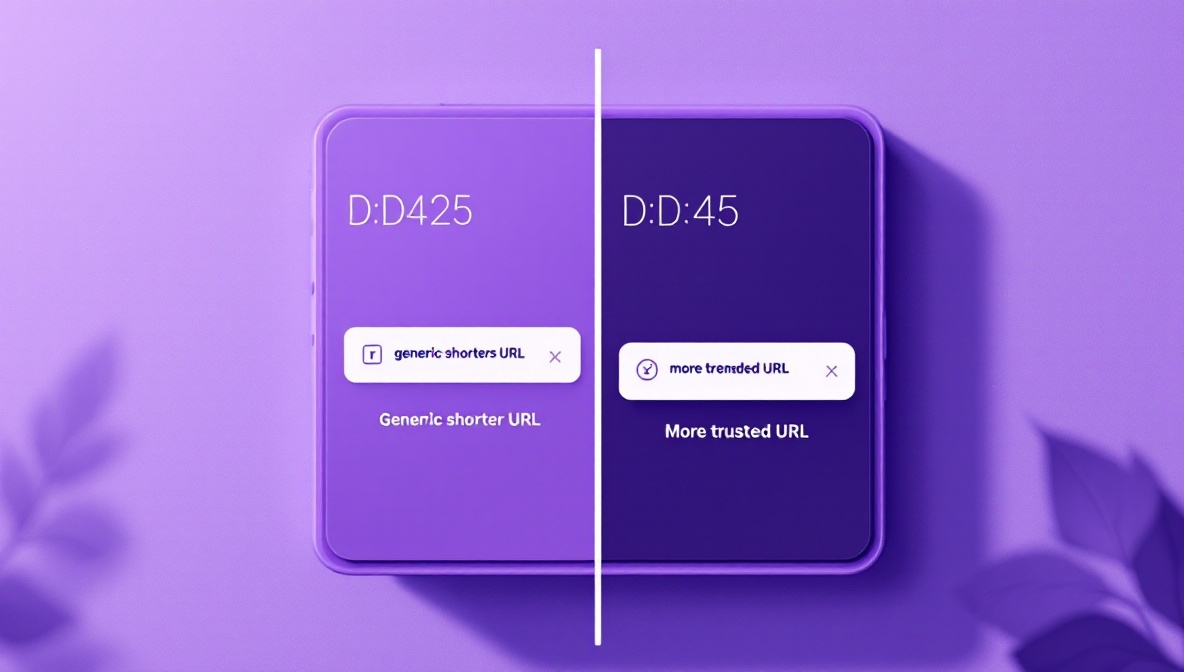
Trust at the click. Users are more likely to click a short link
on a domain they recognize as belonging to the sender. A LinkedIn
post from Acme that links to acme.link/2026-launch reads as
internal Acme content. The same post linking to a generic shortener
reads as “could be anyone.” For B2B audiences who have been trained
by years of phishing emails to look at the domain before clicking,
this matters more than the design.
Brand impressions on every share. Every Slack, email, retweet, and printed material that carries your short URL also carries your brand name. Generic shorteners give that real-estate to the shortener itself. If you’re running a 100,000-impression campaign, the branded domain is showing your name 100,000 times for free.
Survival of the shortener. When a generic shortener gets bought, sunsets, or stops paying for its infrastructure, every short link on its domain breaks. Bit.ly and TinyURL have been around long enough that this feels safe, but the graveyard of dead shorteners includes goo.gl (sunsetted by Google in 2024), j.mp, and a few dozen others that have been bought and quietly shut. A branded domain is yours; you control the DNS and the redirect logic regardless of who provides the underlying service.
Defensibility against copycats. A campaign run on a generic shortener is trivial to mimic — competitors can register similar slugs on the same domain, or on a sister generic shortener, and intercept search traffic. A branded short domain is in your control; nobody else can register slugs underneath it.
What it costs
The full cost is rarely the cost the vendor quotes:
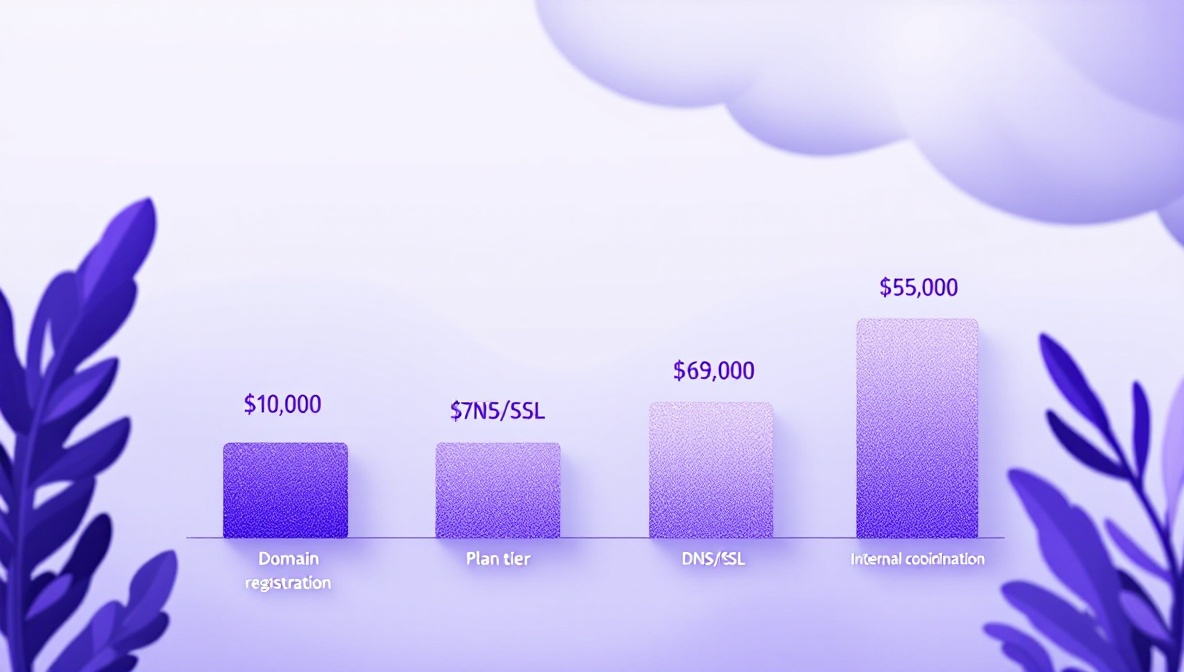
- The custom domain itself. A short, memorable domain — three
to five letters — in a popular TLD costs $30–$300 a year if
available, and four to six figures if you have to buy it on the
aftermarket. Newer TLDs (
.link,.page,.app) tend to be cheaper but less recognizable. - The plan tier. Most shorteners gate custom domains behind a paid plan. The price varies but is typically $20–$100 per month on top of the base subscription.
- DNS and SSL. Trivial in 2026 — Let’s Encrypt and most managed DNS providers handle this — but you need someone to do it once.
- Internal coordination. Engineering needs to set up the DNS, marketing needs to use it consistently, finance needs to remember to renew the domain. The cost of failure (an expired domain that breaks every active campaign link) is high.
When the branded option is worth it
A few clear cases where the math works out:
- You’re running campaigns at scale. A campaign that puts your short link in front of more than a few thousand people is generating brand value the branded domain can capture.
- You’re targeting a security-conscious audience. Enterprise buyers, finance teams, IT, healthcare, government — all of them have been trained to look at the domain before clicking. A branded link gets a meaningful CTR lift in these audiences.
- You’re embedding short links in print. A printed poster or product packaging will be in circulation for months or years. The branded domain locks in your brand recognition for the entire campaign lifecycle.
- You compete with copycats or impersonators. If your brand has
been spoofed before, a branded short domain is a defensive moat.
It is much harder to spoof
acme.link/loginthan to spoofthin.ly/login-acme.
When the generic option is fine
- You’re a small team running occasional campaigns. The branded domain pays for itself at volume; below that, you’re paying for brand polish you don’t need yet.
- The campaign is short-lived and internal. A one-week internal comms campaign doesn’t need to be on a branded domain.
- The audience won’t read the URL. SMS, push notification, and app deep-link contexts hide the URL or show only the tap target. Branded domains add less value when the URL doesn’t visibly appear.
The in-between option
A useful middle path is shared branded subdomains. Instead of
buying acme.link, you use acme.thin.ly (or whatever your
shortener supports). It carries your brand at the cost of a DNS
record, doesn’t require domain ownership, and survives the
shortener service if the vendor offers domain portability.
The downside is that you’re still trusting the parent service: any
trust issues on thin.ly propagate to acme.thin.ly. The upside
is that this is usually included in mid-tier plans without an
add-on cost, and it captures the majority of the trust-and-brand
benefit at a fraction of the friction.
Two practical questions
If you’re trying to decide right now:
-
Pull up a recent campaign you ran with a generic shortener and imagine the click rate one or two points higher. What does that change in real numbers? If it’s hundreds of clicks across the year, the branded domain is hard to justify. If it’s tens of thousands, you should already be on one.
-
Look at the next twelve months of campaigns you have planned. How many of them put the short URL in front of an audience that actively reads URLs (B2B newsletters, white papers, conference posters)? That count is your real volume for branded value, not total clicks.
What to do this week if you don’t have a branded domain yet
Three steps that don’t require any commitment:
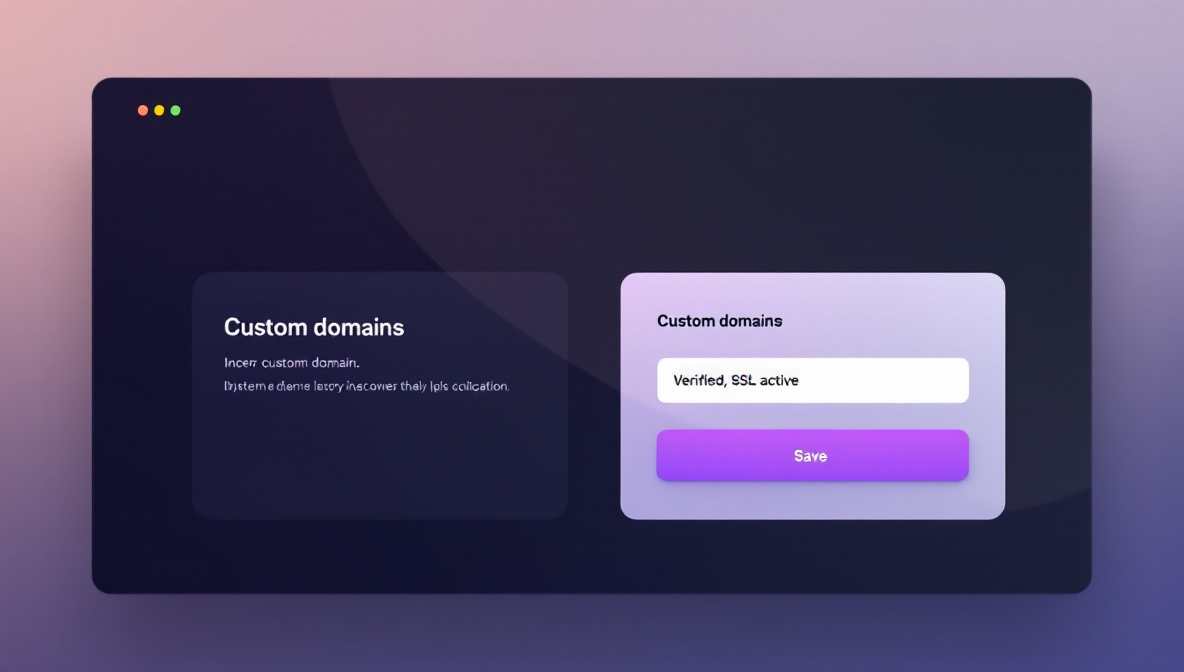
- Register the domain. Even short three-letter
.linkor.pagedomains can usually be found for $20-$40 a year. Buying the domain doesn’t commit you to using it; it just removes the option from competitors. - Set the DNS to point at your current shortener. Most shorteners will let you verify the domain ownership immediately even if you don’t activate it until later.
- Run one campaign through it. Compare CTR against an otherwise-identical campaign on the generic domain. The difference, if any, is your branded-domain dividend in numeric form.
The decision usually isn’t between generic and branded forever. It’s between starting now with the option locked down and starting later when you’ve already given up the brand surface area on a few hundred thousand impressions.