thin.ly Blog
QR Code or Short Link: Which One Should You Use?
QR codes and short links solve overlapping problems but are not interchangeable. The choice depends on whether the user will be reading, scanning, typing, or tapping — and a few campaigns benefit from using both at the same time. Here's the decision framework.
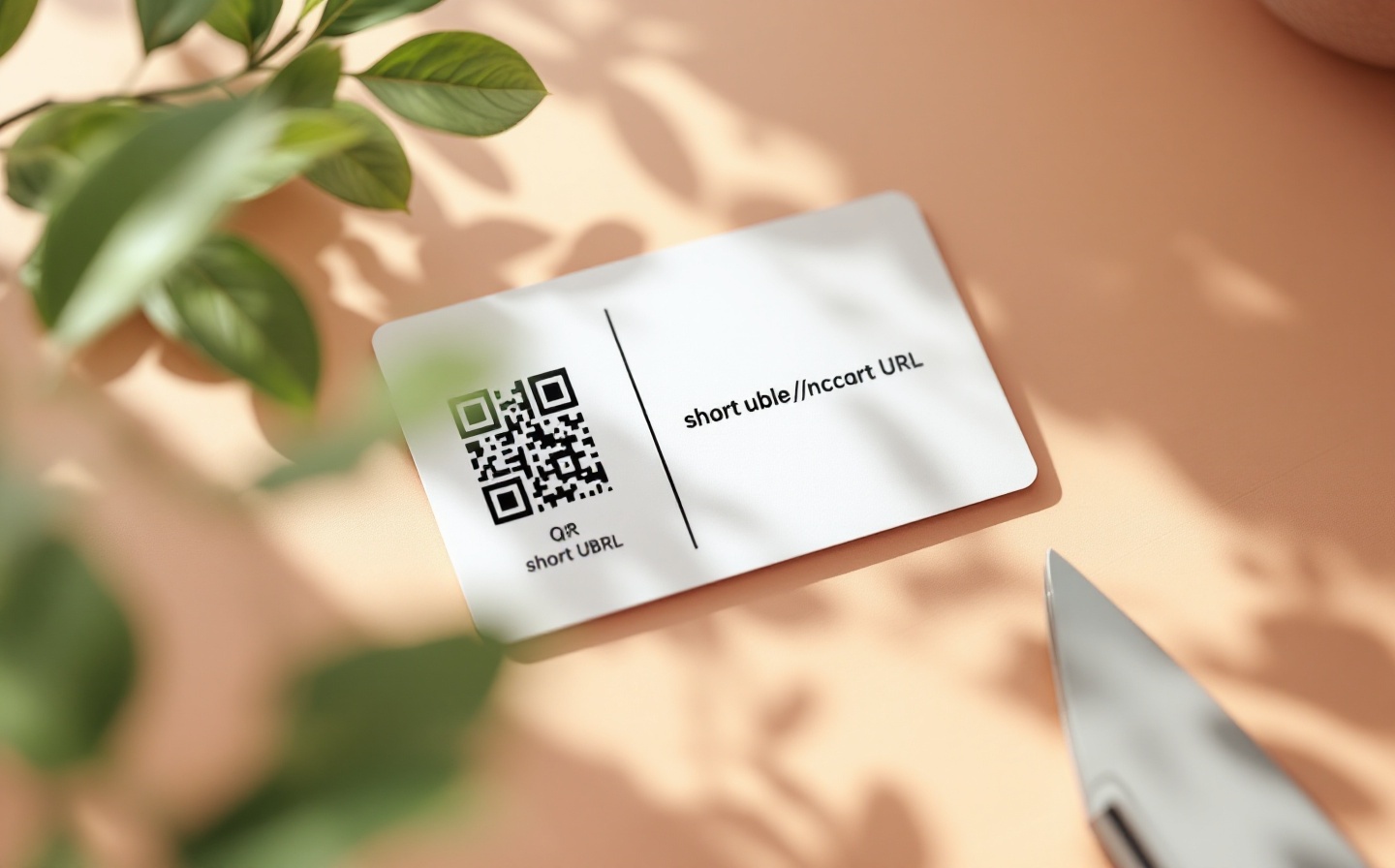
Short links and QR codes are often presented as alternatives, as if you have to pick one. In practice they answer different questions and a lot of campaigns benefit from using both side by side.
Both are wrappers around a destination URL. Both can be branded, tracked, and updated to point somewhere new without changing the artifact. The difference is the surface they live on.
The surface decides
The question to ask before picking is: how will the user encounter this URL?
| Surface | Best wrapper | Why |
|---|---|---|
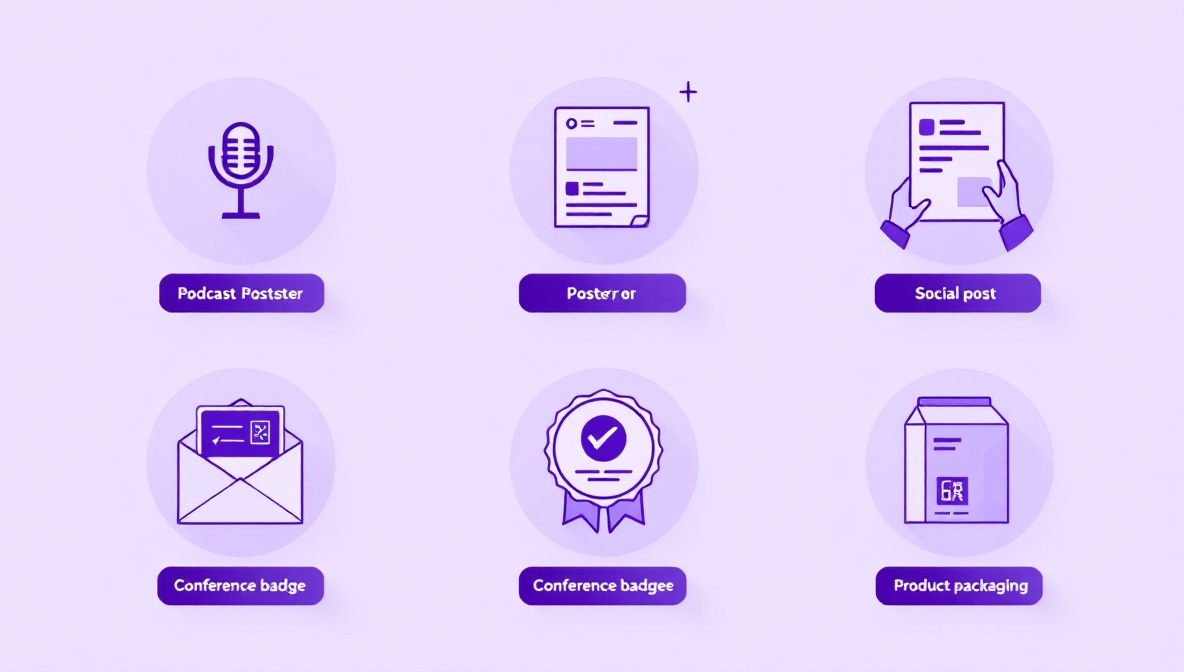
| Spoken aloud (podcast, video, presentation) | Short link with memorable slug | The user has to remember and type it |
| Printed in fine type alongside other text (business card, brochure) | Short link | A QR code competes for visual space and most users in conversation will type the URL |
| Printed prominently on a poster or product | QR code with short link fallback printed underneath | The user is several feet away; scanning is easier than typing |
| Posted on social media | Short link | The platform turns it into a clickable element automatically |
| Embedded in an email or SMS | Short link | Already clickable; QR code requires a second device to scan |
| Sent as a chat message | Short link | Native click; QR code would need the recipient to view on another screen |
| Worn or carried (badges, conference materials, livery) | QR code with short link fallback | Mobile-first interaction; user is typically using their phone |
| Inside another app where deep linking is needed | Short link with universal/app links configured | App routing happens in the URL, not the QR code |
The short version: if the user is reading, give them a short link. If they are at arm’s length or farther, give them a QR code with the short link printed underneath as fallback.
When to use both
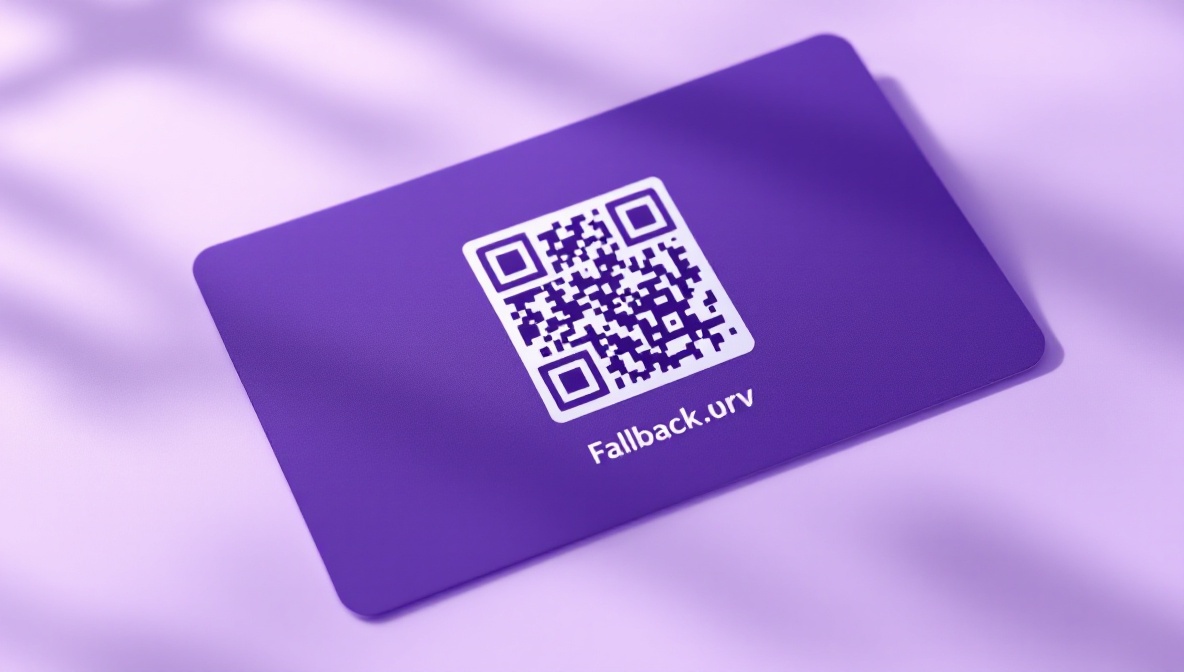
The “QR code plus short link printed underneath” pattern works because they handle different failure modes:
- The QR code handles the case where the user is on their phone, the lighting is fine, and they want to scan.
- The short link handles the case where the camera fails to focus, the user is on a desktop, the user prefers to type, or accessibility needs make scanning hard.
The fallback short link captures roughly 5-10% of clicks that would otherwise be lost in print campaigns. The cost is one extra line of text underneath the QR code. Always include it.
When the choice changes the campaign
There are a few cases where the choice between QR code and short link genuinely changes campaign behavior:
Indoor versus outdoor. Outdoor QR codes have to deal with weather, glare, and distance. They need to be larger, higher contrast, and absolutely not relied upon as the only entry point. For an outdoor billboard, the short link is often the more important artifact — drivers can read and remember a short URL more easily than they can scan from a moving car.
Hands-free contexts. A podcast host saying “go to acme.link slash launch” requires a short, pronounceable, memorable slug. There is no QR code option in audio. This is the only case where the short link’s slug-readability really dominates the design.
Multi-step conversion flows. If the destination needs the user to fill out a long form, scanning a QR code on a poster is a worse experience than later typing the short URL on their laptop. Print the short URL prominently as a “type this later” option, with the QR code as the “tap now” shortcut.
Privacy-sensitive distribution. Scans don’t leave the device’s clipboard or browser history the way typed URLs do, but they do leave a network trace. For situations where the user is shoulder- surfed or in a monitored network, a typed short link is sometimes less visible than a scan that fires a camera.
What’s the same regardless
The wrappers differ but the operational concerns are the same. In both cases:
- The URL is dynamic — the destination can be changed without reprinting or reshooting the wrapper.
- The clicks are tracked with the same analytics — geography, device, time of day, referrer.
- The link can be paused, expired, or routed by rules.
- The destination can be replaced if it turns malicious or if the campaign migrates to a new landing page.
The wrapper choice is about user experience, not about the underlying machinery.
A simple decision rule
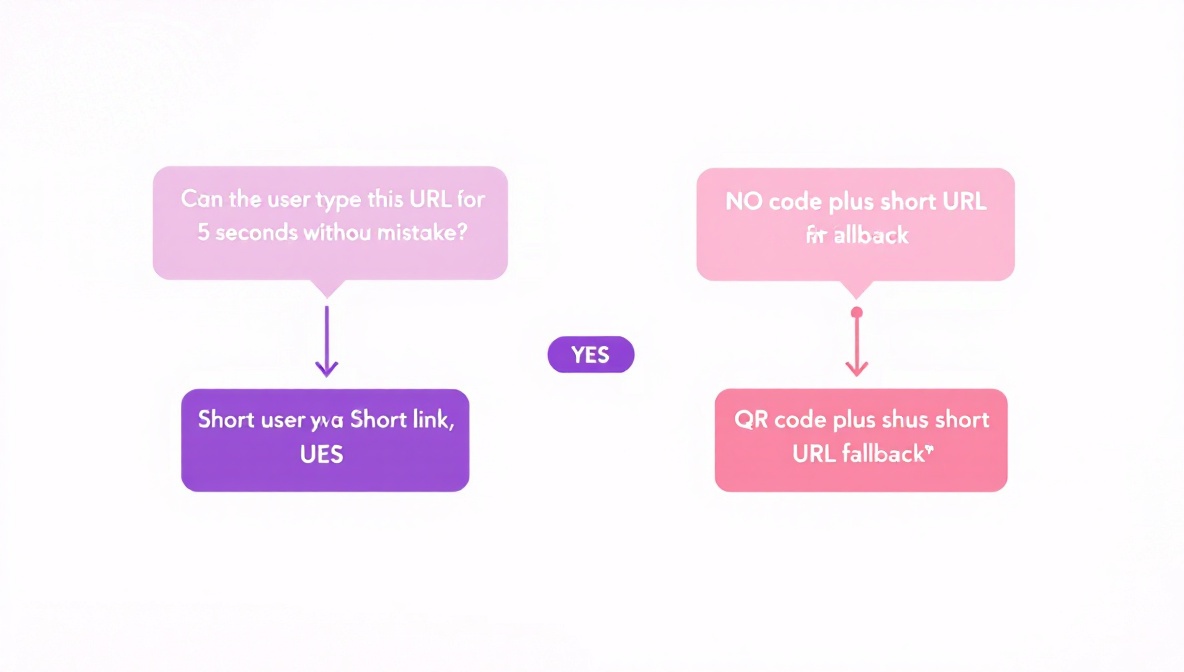
If the answer to “could the user type this URL in five seconds without making a mistake?” is yes, you can lead with the short link. If the answer is no, lead with a QR code and include the short link as fallback. If both are at arm’s length and could go either way, include both side by side. Almost no campaign should include a QR code alone with no readable URL — when the scan fails, the user has no recourse and the campaign goes silent.
The choice gets simpler the more concrete the surface is. Don’t try to pick one wrapper for “the whole campaign.” Pick the wrapper for each surface — poster, email, social, podcast — independently, and let the format decide.